

Vitamin C
Vitamin C, or L-ascorbic acid, is a water-soluble vitamin naturally present in some foods, added to others, and available as a dietary supplement. Humans, unlike most animals, cannot synthesise it, so it has to come from the diet.
Vitamin C is a water-soluble vitamin and is widely described as an antioxidant nutrient. The body cannot make it and stores very little of it, so it has to come from food regularly. Nutrition references also note that vitamin C increases the absorption of the iron found in plant foods. These are descriptions of the nutrient itself, not statements about what a product does.
About this ingredient
Vitamin C, also called ascorbic acid, is a small nutrient that dissolves readily in water. Most plants and animals make their own from glucose, but humans, other higher primates and guinea pigs cannot, and must obtain it from food. The body holds only a limited amount — from about 300 mg when intake has been very low up to about 2 g — and keeps that level within a narrow range, excreting what it does not use, which is why regular intake matters more than a single large dose.
Dietary sources
Fruits and vegetables are the best sources of vitamin C, particularly citrus fruits, red and green peppers, kiwifruit, broccoli, strawberries and Brussels sprouts. According to NIH ODS, half a cup of raw sweet red pepper supplies 95 mg, three-quarters of a cup of orange juice 93 mg, one medium orange 70 mg and one medium kiwifruit 64 mg. Five varied servings of fruit and vegetables a day can provide more than 200 mg. Vitamin C is water-soluble and destroyed by heat, so long storage and cooking reduce the content of a food; steaming or microwaving loses less. The US Recommended Dietary Allowance is 90 mg a day for men and 75 mg for women, and people who smoke need 35 mg a day more. Commercial raw material is produced by fermentation combined with chemical synthesis.
Forms & absorption
Vitamin C appears in supplements in several forms, but the most common is ascorbic acid, which NIH ODS describes as having bioavailability equivalent to the ascorbic acid occurring naturally in food. Other forms include sodium ascorbate, calcium ascorbate, other mineral ascorbates, ascorbic acid with bioflavonoids, and combination products such as Ester-C. A study comparing three sources found no difference in plasma levels or urinary excretion, and its authors concluded that plain ascorbic acid is the sensible source once cost is taken into account. The important absorption point is saturation: at moderate intakes of 30 to 180 mg a day the body absorbs roughly 70 % to 90 %, but above 1 g a day absorption falls below 50 % and the unabsorbed remainder is excreted in urine.
Research status
Vitamin C is one of the most heavily researched nutrients in humans, with several large randomised controlled trials enrolling tens of thousands of participants, among them the SU.VI.MAX study of 13,017 French adults and the Physicians' Health Study II in the United States. NIH ODS is explicit about the limitation this research runs into: the body controls plasma and tissue vitamin C tightly, cells appear saturated at intakes of 100 mg a day and above, and beyond 200 mg plasma concentrations rise only marginally. If participants were already close to saturation at study entry, extra intake could make little measurable difference. No claim has been approved by the Thai FDA for the products on this site. This page therefore presents vitamin C here as an ingredient, not as a benefit.
Safety & considerations
Vitamin C has low toxicity. The US Food and Nutrition Board set a Tolerable Upper Intake Level for adults aged 19 and over of 2,000 mg a day, counting food and supplements together; the figure is 1,800 mg for ages 14 to 18 and 1,200 mg for ages 9 to 13. The most common complaints at high intakes are diarrhoea, nausea and abdominal cramps, caused by the osmotic effect of unabsorbed vitamin C in the gastrointestinal tract. Two situations warrant individual care: people with pre-existing hyperoxaluria, and people with hereditary haemochromatosis, since vitamin C increases non-haem iron absorption. For Thailand, the figure of 1,000 mg a day recurs throughout the Thai FDA guidance of 8 July 2024 as a condition attached to individual raw materials, for example acerola cherry at item 191. If you are pregnant or breastfeeding or take prescription medicines, speak to a doctor or pharmacist before starting, and always follow the amount printed on the label. Dietary supplements are not intended to prevent, treat or cure any disease.
Quality markers
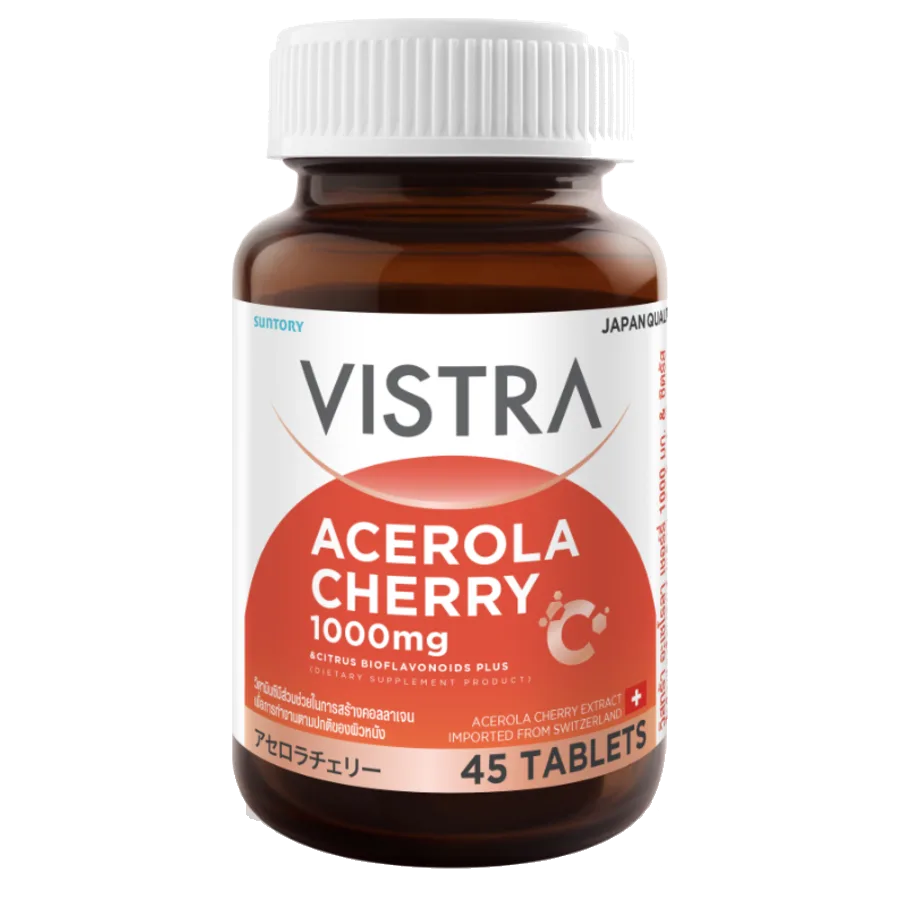
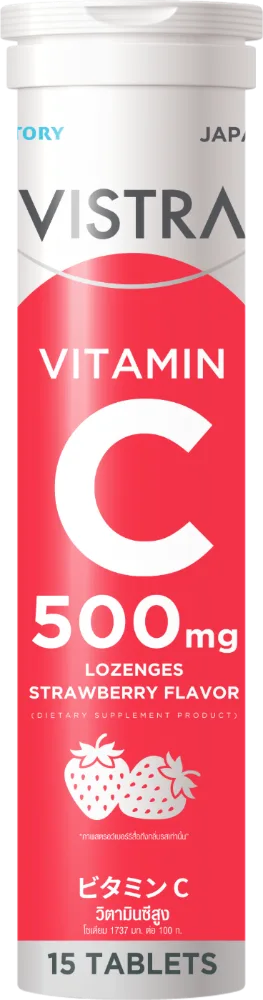
Five things are worth checking on a vitamin C label. First, the form: it should say ascorbic acid, sodium ascorbate, calcium ascorbate or a blend. Second, if it is a mineral ascorbate, the product also delivers that mineral — sodium or calcium — which counts towards the day's intake. Third, whether the milligram figure refers to vitamin C itself or to a fruit extract containing it: an acerola extract standardised at 17 % vitamin C needs about 590 mg to deliver 100 mg of vitamin C. Fourth, the format — lozenges, effervescent tablets and drink powders may carry sugar or sodium with them. Fifth, storage: vitamin C degrades with moisture, heat and air, so a well-sealed container kept out of sunlight holds its content better. Every dietary supplement sold in Thailand also carries an FDA (อย.) registration number on the label.
- NIH Office of Dietary Supplements – Vitamin C Fact Sheet for Health Professionals ↗
- Institute of Medicine – Dietary Reference Intakes for Vitamin C, Vitamin E, Selenium, and Carotenoids (2000) ↗
- Thai FDA – Advice on the use of key ingredients in dietary supplements (8 July 2024), item 191 Acerola cherry ↗
This page is general educational information about a nutrient — it describes the nutrient itself and is not a statement about any particular product. Dietary supplements are food, not medicine, and have no effect in preventing or treating disease. The references listed above are public-institution sources, not product claims.

We use cookies to improve performance and give you a better experience on this website. If you accept, we can show you content that better matches your interests. You can change your consent at any time via “Cookie settings”. Cookie policy